Introduction to Intensive Care Unit (ICU)
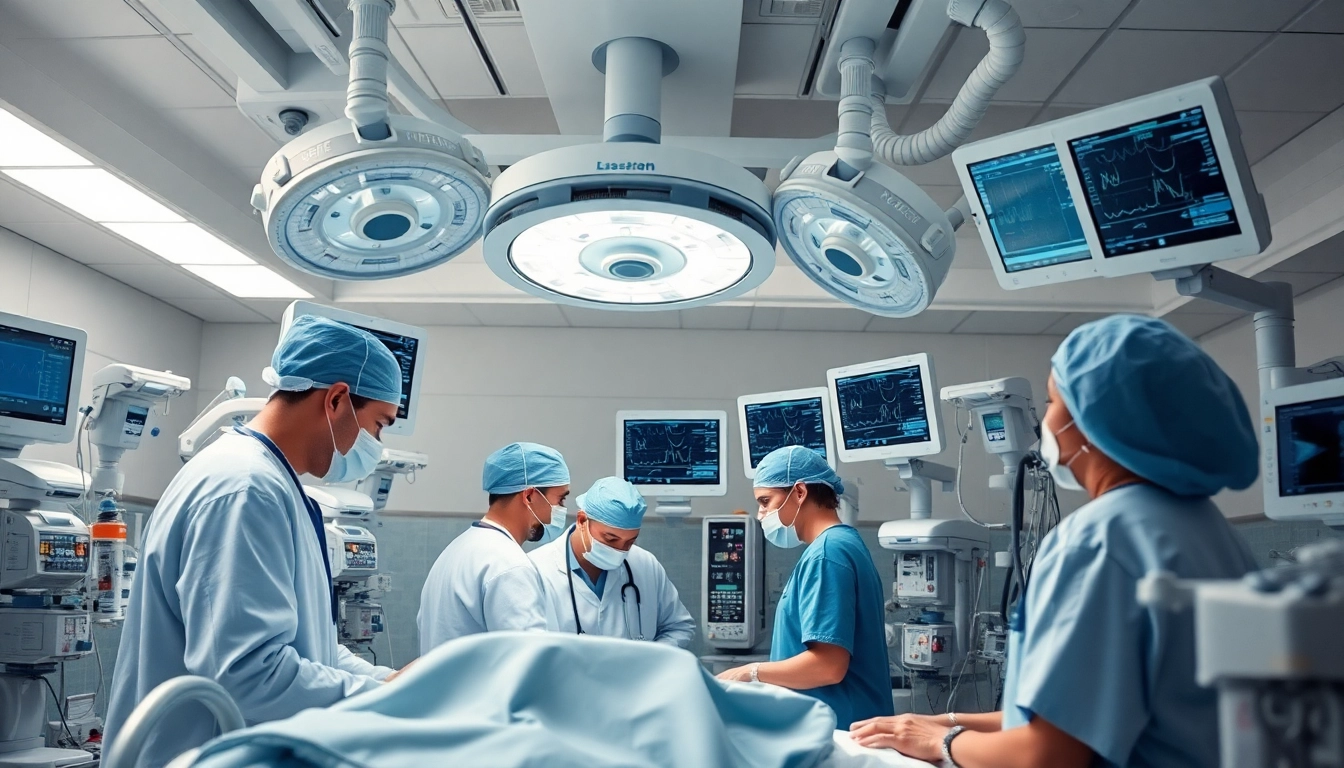
The Intensive Care Unit (ICU) is an essential component of modern healthcare systems, designed specifically to provide advanced care for patients with severe or life-threatening conditions. The unit serves as a critical care environment equipped with sophisticated medical technology and specialists highly trained in managing complex health issues. This article explores the definition, types, experiences, technology, and frequently asked questions surrounding the Intensive Care Unit.
Definition and Purpose of Intensive Care Unit (ICU)
The Intensive Care Unit (ICU) is defined as a specialized section of the hospital dedicated to the treatment of patients suffering from acute illnesses or injuries that require constant monitoring and intensive medical intervention. Patients in the ICU often experience severe respiratory distress, cardiovascular instability, multi-organ dysfunction, or require intricate postoperative care. The primary purpose of the ICU is to ensure that critically ill patients receive immediate access to life support measures and continuous observation by healthcare professionals.
Key Characteristics of an Intensive Care Unit (ICU)
Key characteristics that distinguish the Intensive Care Unit (ICU) from other hospital divisions include:
- Advanced Monitoring: ICU patients are monitored continuously via sophisticated devices that track vital signs, heart rhythms, and other critical parameters, allowing for rapid response to any changes in their condition.
- Specialized Staffing: ICUs are staffed by a dedicated multidisciplinary team comprising intensivists (doctors specializing in critical care), nurses with specialized training, respiratory therapists, and pharmacists, all working collaboratively to provide comprehensive care.
- Limitations on Visitor Access: To maintain the best possible environment for recovery, visiting hours in the ICU are often restricted, ensuring that healthcare providers can focus on patient care without disruptions.
Importance of Specialized Care in Intensive Care Unit (ICU)
The need for specialized care in the ICU is paramount. Patients in this unit often present complex clinical challenges that require expert intervention. Specialized care is critical for:
- Tailored Treatment: Patients often require individualized treatment plans based on the specific nature of their conditions, which can include a range of interventions from medication adjustments to complex surgeries.
- Enhanced Recovery Chances: Having access to specialized staff and equipment increases the likelihood of improved patient outcomes and quicker recovery times.
- Emotional and Psychological Support: ICUs not only address physical health needs but also provide resources for the psychological support of patients and families during extreme stress, helping to cope with the uncertainties of critical illnesses.
Types of Intensive Care Units (ICU)
There are various types of Intensive Care Units (ICUs) tailored to specific patient populations and medical conditions. Understanding these distinctions can help families and patients navigate complex healthcare pathways. Below are the main types:
Surgical Intensive Care Units (ICU)
Surgical Intensive Care Units (SICU) are designed for patients recovering from major surgery or suffering from acute surgical issues. Common cases treated in SICUs include postoperative care following cardiovascular, thoracic, or major abdominal surgeries. The staff in SICUs is trained to handle complications that may arise during recovery, such as hemorrhage or infection.
Cardiac Intensive Care Units (ICU)
Cardiac Intensive Care Units (CICU) focus on patients with severe heart conditions requiring close monitoring and immediate intervention. Conditions treated in CICUs include myocardial infarctions (heart attacks), severe arrhythmias, heart failure, or post-operative care following heart surgery. These units are equipped with specialized cardiac monitors and life-support technologies to manage complex heart-related issues effectively.
Neonatal Intensive Care Units (ICU)
Neonatal Intensive Care Units (NICU) are specialized sections dedicated to caring for premature infants or newborns facing life-threatening conditions. The staff includes neonatologists and specialized nurses trained to monitor and treat conditions such as respiratory distress syndrome, congenital anomalies, and infections. NICUs utilize advanced technologies like incubators and ventilators to ensure optimal care for the youngest and most vulnerable patients.
What to Expect in the Intensive Care Unit (ICU)
For families and loved ones, visiting a patient in the Intensive Care Unit (ICU) can be a daunting experience. Knowing what to expect can help ease anxiety and prepare for the realities of critical care. Here’s what families should anticipate:
Admission Process and Initial Assessments in Intensive Care Unit (ICU)
Upon admission to the ICU, patients undergo comprehensive initial assessments. The process includes:
- Patient Evaluation: Medical history and current health status are assessed to formulate an appropriate treatment plan.
- Baseline Monitoring: Nurses establish baseline vitals, including heart rate, blood pressure, and oxygen levels, using sophisticated equipment.
- Multidisciplinary Team Meeting: A team including doctors, nurses, and specialists formulates a care plan outlining interventions and monitoring strategies based on the patient’s needs.
Daily Routines within the Intensive Care Unit (ICU)
Daily routines in the ICU are structured to maximize patient care while ensuring efficient use of resources. This includes:
- Regular Monitoring: Patients are monitored continuously to identify any changes in their condition, ensuring prompt response to complications.
- Scheduled Assessments: Care rounds typically occur every 24 hours to evaluate patient progress, adjust treatment plans, and set daily goals.
- Family Meetings: Regular communication with families is crucial for updates on patient conditions and involving them in care decisions.
Communication between Healthcare Providers and Families in Intensive Care Unit (ICU)
Effective communication is critical in the ICU setting. Healthcare providers make concerted efforts to engage family members by:
- Providing Up-to-Date Information: Regular updates are given to families regarding patient status and treatment plans.
- Establishing a Point of Contact: A designated healthcare provider will be available to address family questions and concerns to streamline communication.
- Encouraging Family Participation: Family members are encouraged to be part of care discussions, ensuring they understand the treatment process and care plans.
Technological Advances in Intensive Care Unit (ICU)
The ICU constantly evolves with technological advancements that enhance patient monitoring, treatment efficiency, and overall care quality.
Monitoring Equipment Used in Intensive Care Unit (ICU)
Monitoring equipment in the ICU is crucial for patient safety and observation. Key technologies include:
- Multichannel Monitors: These devices track essential vital signs, including ECG, blood pressure, oxygen saturation, and respiratory rate simultaneously.
- Intracranial Pressure Monitors: Used specifically in neurological ICUs to monitor patients with head injuries or stroke.
- Puls Oxymeters: Non-invasive devices that quickly assess blood oxygen levels, critical for patients with respiratory issues.
Life-Support Technologies for Patients in Intensive Care Unit (ICU)
Life-support technologies are paramount for patients unable to maintain respiratory or cardiovascular functions adequately. These include:
- Ventilators: Machines that assist or take over the breathing process for patients with severe respiratory failure.
- Dialysis Machines: Used for patients with acute kidney failure to filter waste products from the blood.
- Infusion Pumps: Automated devices for administering medications, fluids, and nutrients with precision.
Future Trends in Intensive Care Unit (ICU) Technology
As technology rapidly advances, the ICU is increasingly adopting innovations such as:
- Telemedicine: Remote consultations and monitoring are becoming common, facilitating expert care irrespective of location.
- Artificial Intelligence: AI algorithms can analyze vast data sets in real-time, supporting decision-making by anticipating potential complications.
- Wearable Technology: Wearable devices can monitor patients' vitals post-ICU, helping healthcare providers track recovery and community health outcomes.
Frequently Asked Questions about Intensive Care Unit (ICU)
What are the roles of staff in Intensive Care Unit (ICU)?
In the ICU, roles include intensivists who manage patient care, nurses who provide continuous monitoring and support, respiratory therapists focusing on breathing issues, and pharmacists ensuring medication safety.
How long can a patient stay in Intensive Care Unit (ICU)?
The length of stay varies based on the patient's condition, ranging from a few hours to several weeks, depending on recovery needs and complications.
What are the common conditions treated in Intensive Care Unit (ICU)?
Conditions include severe infections, respiratory failure, heart failure, multi-organ dysfunction syndrome, and recovery from major surgeries requiring close monitoring.
How can families support loved ones in Intensive Care Unit (ICU)?
Families can offer emotional support, maintain open communication with healthcare providers, stay informed about treatment plans, and participate in care decisions to aid recovery.
What should visitors know before entering the Intensive Care Unit (ICU)?
Visitors should be prepared for restrictions, understand the importance of hygiene, follow visiting hours, and recognize the emotional environment can be distressing for families.