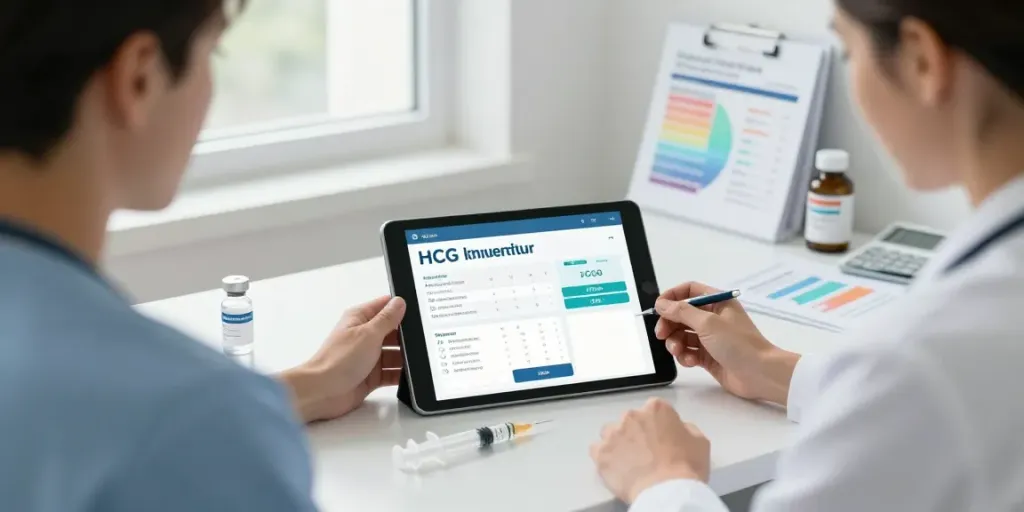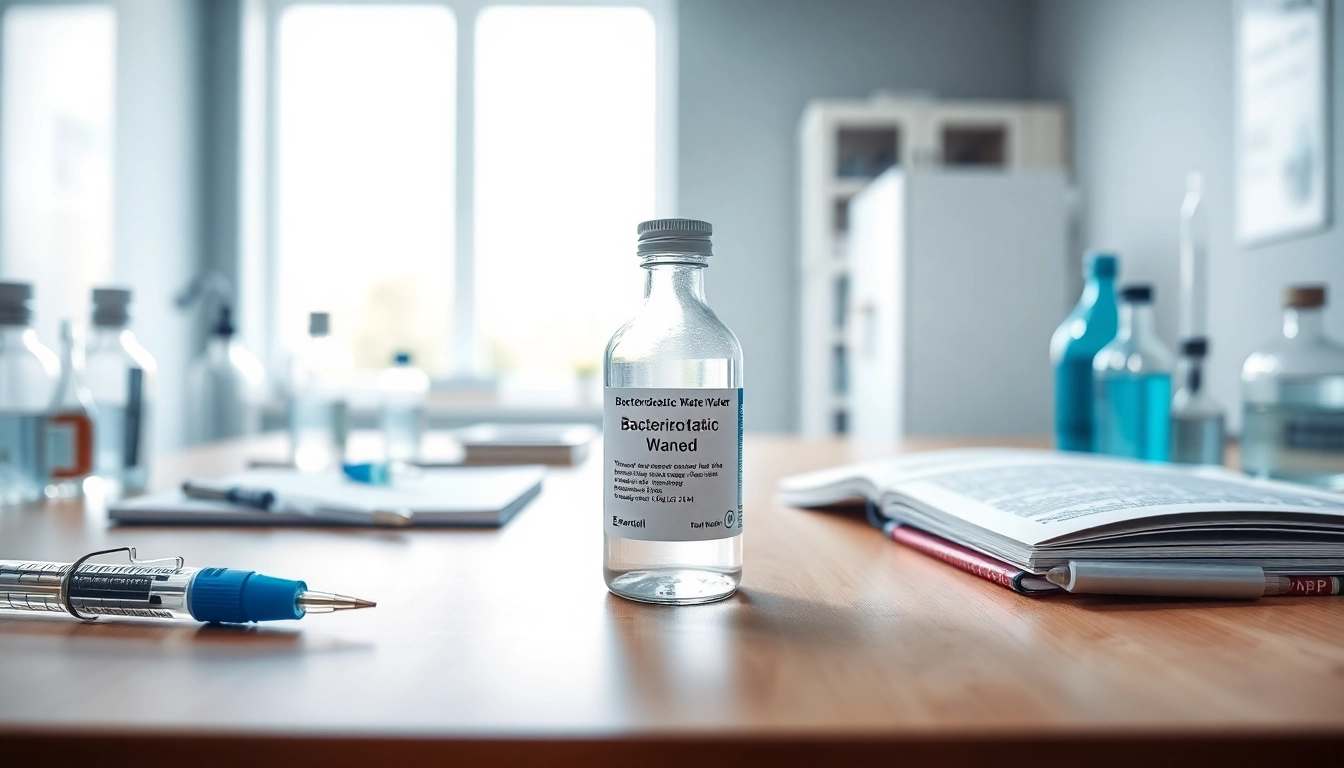
Understanding Bacteriostatic Water
What is Bacteriostatic Water?
Bacteriostatic water is a sterile water solution that includes 0.9% benzyl alcohol, which serves as a preservative. Its primary purpose is to facilitate the safe reconstitution and dilution of medications, especially injectable solutions. This crucial aspect makes it an invaluable resource in various laboratory settings and therapeutic applications, particularly for those working with research peptides. By inhibiting bacterial growth, bacteriostatic water extends the functional lifespan of the solution once it has been subjected to multiple punctures. This quality is essential for maintaining sample integrity in repeated use scenarios.
Key Properties and Uses
The properties of bacteriostatic water make it unique and vital in medical and laboratory environments. Its sterile formulation ensures that it supports the safe handling of medications without introducing contaminants. In addition to its sterile component, the presence of benzyl alcohol contributes to its bacteriostatic nature, preventing the growth of microorganisms. This water is primarily used for:
- Reconstituting and diluting medications for injection.
- Helping scientists prepare peptide formulations in laboratory investigations.
- Long-term storage for projects requiring repeated access to sterile water.
Given its characteristics of preventing bacterial proliferation, hospira bac water is often regarded as a cornerstone element in any research setting that operates with injectable formulations.
How Bacteriostatic Water Supports Peptide Research
Bacteriostatic water plays a key role in peptide research, which often involves precise measurements and careful handling due to the sensitive nature of peptides. The utilization of this solution allows researchers to:
- Safely reconstitute peptides that are often lyophilized for stability.
- Achieve consistent concentrations during experimental procedures.
- Ensure that repeated access to injections maintains sterility without the risk of introducing bacterial contamination.
Moreover, the extended usability of bacteriostatic water allows researchers to conduct various experiments over extended periods without the need for frequent replacements, thereby reducing costs and increasing efficiency.
Applications in Research Peptides
Using Bacteriostatic Water for Injectable Solutions
The preparation of peptide-based injectable solutions heavily relies on bacteriostatic water. When dealing with peptides that need to be injected into human subjects or animal models, maintaining a sterile environment is critical for safety and efficacy. Bacteriostatic water ensures that the peptide solution remains uncontaminated throughout usage.
Researchers can typically follow these steps for proper use:
- Calculate the required volume of bacteriostatic water for reconstitution based on peptide concentration.
- Use a sterile syringe to draw the appropriate volume of bacteriostatic water.
- Inject the bacteriostatic water into the peptide vial and gently swirl to mix; do not shake as this can degrade the peptide.
- Store the solution in cool conditions as recommended until further use, usually less than 28 days after opening.
Importance in Laboratory Practices
The role of bacteriostatic water extends beyond just the preparation of solutions; it is a fundamental pillar in laboratory practices. In the realm of peptide research, maintaining sterile conditions cannot be overemphasized. Laboratory equipment must be clean, vial-opening techniques must be sterile, and any work with bacteriostatic water must ensure that it is used under proper guidelines to avoid cross-contamination.
Regular training sessions for laboratory personnel can significantly improve the understanding and adherence to these practices. Establishing a standard operating procedure allows all team members to follow a uniform approach to handling bacteriostatic water and related materials.
Comparative Analysis with Other Solutions
When considering solutions for injectable formulations, bacteriostatic water competes with other types of diluents, such as sterile water for injection (SWFI) and saline solutions. While SWFI is suitable for certain applications, it lacks the preservative properties that bacteriostatic water offers. Additionally, saline solutions can alter the pH and osmolarity of the compounds being prepared, potentially leading to adverse reactions.
The comparative analysis shows that:
- Safety: Bacteriostatic water minimizes contamination risks, making it a safer option.
- Stability: Bacteriostatic water maintains stable pH levels, unlike saline solutions.
- Convenience: With greater usability over time, bacteriostatic water is preferred for extended research projects.
Safety and Handling Guidelines
Best Practices for Storage
To maintain the integrity and effectiveness of bacteriostatic water, proper storage practices are essential. Here are some best practices:
- Store bacteriostatic water in a cool, dry environment away from direct sunlight.
- Ensure that the cap remains tightly sealed when not in use.
- Label containers appropriately with the date opened and expiration date to avoid misuse.
Safe Disposal Methods
Disposing of expired or contaminated bacteriostatic water must be done in accordance with local regulations and best practices. Always contact your facility’s waste disposal officer for guidance on using hazardous waste disposal methods as required. Common methods typically involve:
- Neutralization followed by safe disposal in designated biohazard waste containers.
- Following institutional protocols to ensure no environmental contamination occurs.
Identifying Contamination Risks
Identifying signs of contamination is crucial to ensuring safety in laboratory environments. Some common indicators of contamination in bacteriostatic water may include:
- Changes in color or clarity of the solution.
- The appearance of particulates or sediments within the vial.
- Unusual odors emanating from the solution.
If any of these signs are present, the solution must be disposed of immediately, and the relevant team must be notified.
Laboratory Best Practices
Standard Operating Procedures for Use
Establishing standard operating procedures (SOPs) for using bacteriostatic water ensures compliance and enhances safety measures. Recommended SOPs should include:
- Detailed guides on how to properly draw and inject bacteriostatic water into preparations.
- Instructions for routine checks on the integrity of solutions before use.
- Protocols for handling waste and dealing with potential contamination.
Quality Control Measures
Implementing quality control measures is vital to ensure that bacteriostatic water remains free from contamination and meets the required standards from batch to batch. Such measures include:
- Regular testing of bacteriostatic water samples for sterility before use.
- Maintaining records of batch numbers and testing outcomes for traceability.
- Conducting periodic reviews to verify the relevance of existing SOPs.
Real-Life Case Studies
Illustrating the use of bacteriostatic water through real-life case studies can significantly enhance understanding among laboratory practitioners. One notable example involved a research team developing a new peptide therapy for chronic pain management. The team efficiently utilized bacteriostatic water to reconstitute their lyophilized peptide, maintaining sterility throughout the study, which yielded promising results without any bacterial contamination.
This case highlighted the essential nature of bacteriostatic water in preserving research integrity and outcomes, establishing it as a standard in peptide applications.
FAQs About Bacteriostatic Water
What is the shelf life of hospira bac water?
Hospira bac water typically has a shelf life of 28 days after opening, ensuring it remains effective for research purposes.
Can I use hospira bac water for other applications?
While specifically designed for injectable solutions, consult a lab professional for alternative uses in research.
How is bacteriostatic water made?
Bacteriostatic water is prepared by adding 0.9% benzyl alcohol to sterile water, which preserves the solution for injection.
Is bacteriostatic water safe for all research activities?
When used correctly, bacteriostatic water is safe; however, always follow safety guidelines to ensure compliance.
What should I do if I notice contamination in my water?
Any signs of contamination require immediate disposal, and you should inform your lab manager to prevent further issues.