Understanding Bacteriostatic Water
What is Bacteriostatic Water?
Bacteriostatic water is a sterile water solution that contains a small percentage of benzyl alcohol, which acts as a preservative. Primarily used in medical settings, this type of water is necessary for reconstituting medications and diluting drugs for injection. The presence of benzyl alcohol prevents the growth of bacteria, making it an essential component for ensuring safety and efficacy in pharmaceutical applications. For many researchers and healthcare professionals, bacteriostatic water serves as a reliable medium for various injections and therapeutic formulations, such as peptide administration and other injectable therapies.
Composition and Properties
The composition of bacteriostatic water typically includes:
- Sterile water for injection
- Benzyl alcohol (0.9% w/v)
This unique formulation is what gives bacteriostatic water its critical properties: sterility, pH neutrality, and the ability to inhibit bacterial growth. The solution is isotonic, which makes it suitable for most types of injections without causing irritation or adverse reactions. The sterility of bacteriostatic water is paramount, as any contamination can lead to potentially serious complications in medical and research settings.
Usage in Medical and Research Settings
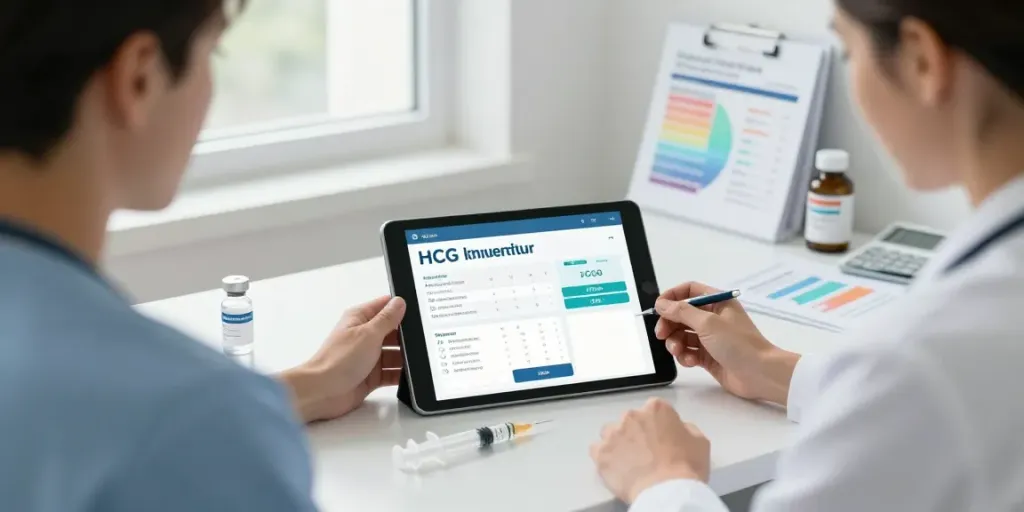
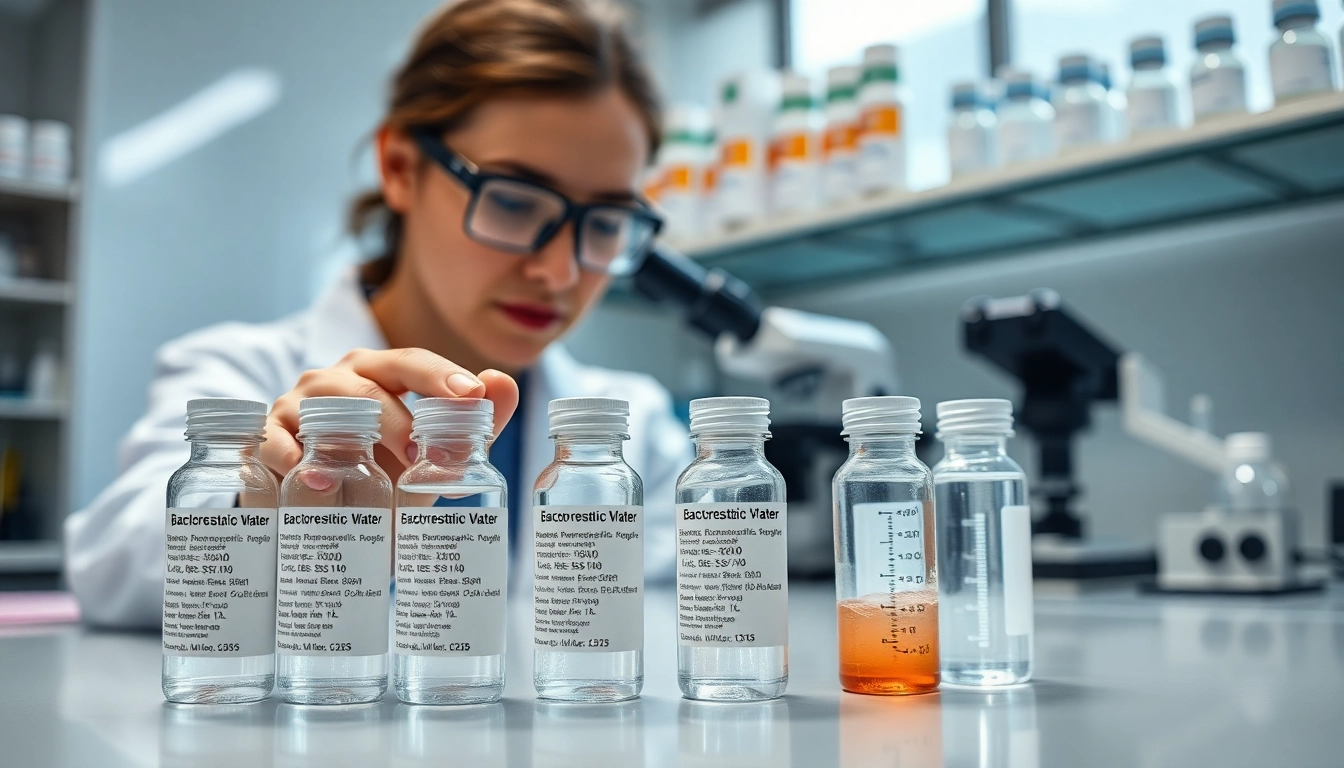
Bacteriostatic water is widely utilized in both clinical and laboratory environments. In medical settings, healthcare providers use it to dilute medications (such as peptides) for injectable therapies, ensuring that the final solution maintains its effectiveness and safety. In research settings, it serves as a crucial component in experiments involving peptide synthesis, offering a controlled environment for testing and analysis. Proper use of bacteriostatic water can result in enhanced stability and improved outcomes when administering medications.
The Importance of Sterility in Peptide Research
Why Sterility Matters
In peptide research and administration, maintaining sterility is paramount. Peptides are sensitive compounds that can easily degrade or lose potency when exposed to contaminants such as bacteria or fungi. Sterility ensures that these compounds remain effective and safe for human use. Contaminated solutions can lead to severe reactions, and compromised results in research studies could invalidate findings. Thus, the use of sterile products, such as bacteriostatic water, is a fundamental practice for researchers and healthcare professionals alike.
Best Practices for Handling
To maintain sterility during handling of bacteriostatic water and peptides, researchers and practitioners should adhere to the following best practices:
- Use sterile syringes and needles when drawing or injecting medications.
- Always work in a clean, sanitized environment.
- Avoid touching the surface of vial stoppers with bare hands.
- Store bacteriostatic water at appropriate temperatures, as specified in product guidelines.
- Limit exposure to air and potential contaminants during preparation and administration.
Common Contaminants to Avoid
Common contaminants in peptide handling can include bacteria, yeast, molds, and even particulate matter. These contaminants can originate from the environment, improperly sterilized equipment, or inadequate handling practices. To mitigate these risks, it is essential to maintain strict aseptic techniques and use quality products, like hospira bac water for reconstitution or dilution processes.
Applications of Bacteriostatic Water in Peptide Administration
Preparation of Peptides for Injection
When preparing peptides for injection, bacteriostatic water is often the solvent of choice for dilution. The process typically involves reconstituting lyophilized peptides by adding a specified volume of bacteriostatic water to the peptide vial. This step is crucial for achieving the desired concentration and ensuring that the peptide is fully dissolved. Proper reconstitution safeguards the integrity of the peptide, paving the way for accurate dosing and effective therapeutic outcomes.
Dosage and Dilution Guidelines
Correct dosage and dilution of peptides are vital for effective treatment. The general practice involves extracting a specific volume of bacteriostatic water to be mixed with the peptide. Dosage varies by peptide type, individual patient needs, and therapeutic goals. Therefore, it's essential to refer to the specific guidelines provided for each peptide, ensuring that dosages are both safe and effective, while maintaining accuracy in measurements to minimize potential risks.
Impact on Peptide Stability
The choice of solvent can have a significant influence on peptide stability. Bacteriostatic water, due to its sterilized and preserved nature, helps maintain the structural integrity of peptides for longer durations compared to other solvents. The presence of benzyl alcohol inhibits microbial growth while not adversely affecting the peptide's efficacy. Therefore, utilizing high-quality bacteriostatic water is not just a best practice but a necessity for preserving the therapeutic properties of peptides.
Choosing the Right Bacteriostatic Water
Comparing Different Brands and Products
While there are various brands of bacteriostatic water on the market, quality can vary significantly. It is crucial to select products that meet stringent safety and efficacy standards. Look for indications of sterility, proper packaging, and clear labeling. Trusted brands usually provide evidence of quality control measures, including sterility testing and lot tracking—criteria that can guide a knowledgeable choice in selecting bacteriostatic water.
Regulatory Considerations
Regulatory bodies mandate that all medical products, including bacteriostatic water, comply with strict safety and efficacy standards. These include regulations set forth by national and international agencies. It's vital for users to remain informed about the regulatory status of the products they plan to utilize, ensuring compliance to avoid potential legal and health ramifications.
Cost-Effectiveness Analysis
Investing in high-quality bacteriostatic water might seem costly upfront; however, it can significantly reduce potential complications and costs associated with ineffective treatments due to poor-quality products. A cost-effectiveness analysis should consider not only the price point but also the value of health outcomes, patient safety, and the overall effectiveness of treatments utilizing quality bacteriostatic water.
FAQs Regarding Bacteriostatic Water
What is the shelf life of bacteriostatic water?
The shelf life of bacteriostatic water is typically between 28 days to 3 years, depending on storage conditions and manufacturer specifications. Always check expiration dates on the packaging.
Can I use bacteriostatic water for other purposes?
Bacteriostatic water is specifically formulated for diluting and reconstituting medications. It's not recommended for other uses that do not align with its intended purpose.
Is bacteriostatic water safe for all types of injections?
Bacteriostatic water is safe for use in most injections; however, always consult with a healthcare professional or refer to the specific guidelines for the medications involved.
How do I store bacteriostatic water properly?
Store bacteriostatic water in a cool, dry place away from direct sunlight. Once opened, it should ideally be refrigerated and discarded after 28 days to maintain sterility.
What should I look for in high-quality bacteriostatic water?
Look for certifications of sterility and quality assurance, clear expiration dates, and reputable sources providing detailed labeling about composition and usage instructions.