Understanding HCG and Its Applications
Human Chorionic Gonadotropin (HCG) is a hormone that plays a pivotal role in various medical applications, primarily in the fields of fertility treatments and hormone therapy. This peptide hormone stimulates the ovaries in women and supports testicular function in men, making it an essential component in several therapeutic protocols. When exploring options, the hcg dosage calculator provides comprehensive insights for accurate dosage management, ensuring optimal treatment outcomes.
What Is HCG?
HCG is a glycoprotein hormone produced during pregnancy by the placenta. It is crucial for maintaining pregnancy in women and plays a key role in regulating important physiological processes. In men, HCG is utilized for its ability to stimulate the testes to produce testosterone and support spermatogenesis. This hormone mimics the action of luteinizing hormone (LH), triggering the Leydig cells in the testes to produce testosterone.
Benefits of HCG Therapy
HCG therapy offers several benefits, particularly for individuals undergoing testosterone replacement therapy (TRT) or those looking to enhance fertility. Some notable benefits include:
- Preservation of Testicular Size: HCG helps maintain testicular volume, which can reduce the risk of testicular atrophy often associated with TRT.
- Enhanced Natural Testosterone Production: By stimulating the Leydig cells, HCG supports the body’s natural testosterone production, which is vital for overall health.
- Increased Fertility: Essential for men seeking to maintain fertility during hormonal treatments, HCG can help improve sperm production.
- Weight Management: HCG is popular in weight loss protocols, as it can reduce fat while preserving lean muscle mass.
Common Uses in Men and Women
In men, HCG is primarily used in the context of testosterone replacement therapy and fertility treatments. It is administered to prevent testicular shrinkage and to stimulate sperm production. For women, HCG is often used to trigger ovulation in assisted reproductive technologies, such as in vitro fertilization (IVF) and intrauterine insemination (IUI).
The Importance of Accurate Dosage
Accurate dosage is critical in hormone therapy, as both underdosing and overdosing can lead to significant health issues. For those using HCG, especially in conjunction with TRT or fertility treatments, understanding the proper dosing is essential to achieving desired outcomes.
Why Dosage Matters in Hormone Therapy
Hormones operate in delicate balances; therefore, precision in dosing ensures that hormone levels are maintained within optimal ranges. Incorrect doses can lead to symptoms such as mood swings, fatigue, or more severe complications, including hormonal imbalances affecting overall health.
Potential Risks of Incorrect Dosing
Administering incorrect doses of HCG can result in various adverse effects:
- Estrogenic Side Effects: High doses can lead to increased estrogen levels, potentially causing gynecomastia or other unwanted side effects in men.
- Testicular Desensitization: Prolonged high doses may desensitize the Leydig cells, diminishing testosterone production.
- Ovarian Hyperstimulation Syndrome (OHSS):In women, miscalculated dosing can trigger OHSS, a serious condition where the ovaries swell and become painful.
Establishing Dosage Variations for Different Goals
The appropriate dosage of HCG varies based on treatment goals. For fertility treatments, lower doses may suffice, while TRT commonly requires slightly higher doses. Regular monitoring and adjustments can optimize outcomes for individual needs.
How to Use the HCG Dosage Calculator
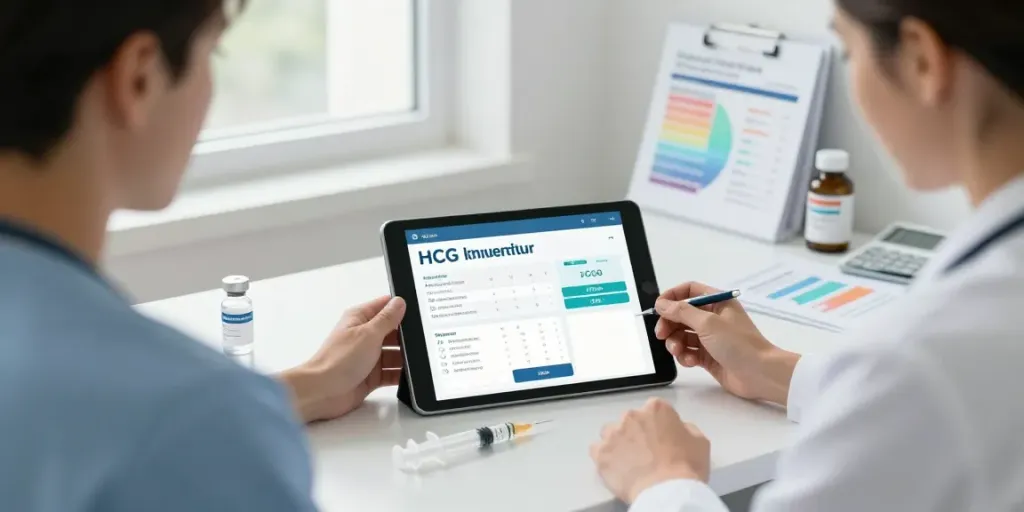
The HCG Dosage Calculator simplifies the process of determining accurate dosing based on individual vials and desired outcomes. Here's how to use it effectively.
Step-by-Step Guide to Inputting Data
- Enter Your Vial’s Total IU: Most vials contain either 5,000 IU or 10,000 IU—start by inputting this value.
- Input the Amount of Bacteriostatic Water Used: Specify how many milliliters of bacteriostatic water were added to the vial. This concentration affects the final dosage.
- Choose Your Desired Dose per Injection: Decide on the HCG dosage per injection, often ranging from 250 IU to 1,000 IU based on your protocol.
- Get Your Measured Dose: The calculator will display the exact milliliters to draw in the syringe to achieve your desired dosage accurately.
- Repeat or Adjust as Needed: Utilize the calculator whenever you change vials or modify your dosing schedule.
Interpreting the Output Measurements
Upon entering the relevant data, the calculator provides precise measurements, allowing individuals to maintain consistency in their dosing regimen. This precision is key in preventing over or under-dosing, which could derail treatment effectiveness.
Tips for Maintaining Consistency in Dosing
To maintain effective therapy with HCG, consider the following practices:
- Keep a consistent injection schedule, particularly aligning it with testosterone administration.
- Regularly consult with healthcare providers to adjust dosages based on blood work and personal health changes.
- Track your response to treatment through symptoms and any variations in energy levels or mood.
Stacking HCG with Other Peptides
Combining HCG with other peptides can enhance the overall effectiveness of hormone therapy. Properly stacking peptides allows for synergistic effects, improving testosterone levels and supporting fertility.
Identifying Compatible Peptides
Several peptides pair well with HCG, notably:
- CJC-1295 No DAC: This growth hormone-releasing hormone (GHRH) can complement HCG's effects by increasing growth hormone levels.
- Ipamorelin: A selective GHRP that stimulates growth hormone without increasing prolactin levels.
- BPC-157: Known for its regenerative properties, it supports recovery and promotes muscle growth.
Benefits of Combining Peptides
Stacking peptides can lead to:
- Improved Hormonal Balance: A well-rounded hormone profile through strategic combinations may enhance overall health.
- Fertility Support: Enhancing hormonal function may improve spermatogenesis and ovulation.
- Enhanced Recovery: Peptides like BPC-157 support tissue repair and recovery, contributing to overall health during hormone therapy.
Clinical Considerations for Stacking
Before initiating any peptide stacking protocol, it’s crucial to consult with a healthcare professional. They can provide guidance based on individual health status and therapy goals, ensuring that the combined effects are safe and effective.
Monitoring Progress and Adjusting Dosage
Monitoring hormone levels and overall well-being is essential when undergoing HCG therapy. Regular evaluations can guide necessary adjustments for optimal treatment outcomes.
Importance of Regular Blood Work
Periodic blood tests are vital in assessing hormone levels, including testosterone, estradiol, LH, and FSH. These tests help determine if dosing adjustments are needed, ensuring that therapy remains effective and safe.
Signs That You May Need to Adjust Your Dose
Be vigilant for signs that may indicate a need to modify your HCG dosage:
- Experiencing side effects such as mood swings or fatigue could suggest hormonal imbalances.
- Changes in testicular size or discomfort may signal inadequate dosage.
- For women, symptoms of ovarian overstimulation or other reproductive concerns may require reevaluation of dosing.
Consulting Healthcare Professionals for Guidance
Regularly discuss any changes in health status or reactions to therapy with healthcare providers. They can offer personalized advice based on test results and symptoms, tailoring your treatment plan for the best results.
What Are the Side Effects of HCG for Males?
While HCG therapy is generally well-tolerated, some men may experience side effects, including:
- Headaches
- Gynecomastia
- Fatigue
- Allergic reactions in rare cases
Understanding potential side effects can lead to more informed decisions regarding therapy and dosage adjustments.
Can HCG Help Women with Hormone Balance?
In women, HCG can be beneficial for hormonal balance, especially in fertility treatments. It can help trigger ovulation, making it an essential part of assisted reproductive techniques. Further, HCG may contribute to a more balanced hormonal environment, paving the way for improved reproductive health.