Understanding Home Workout Plans
What Are Home Workout Plans?
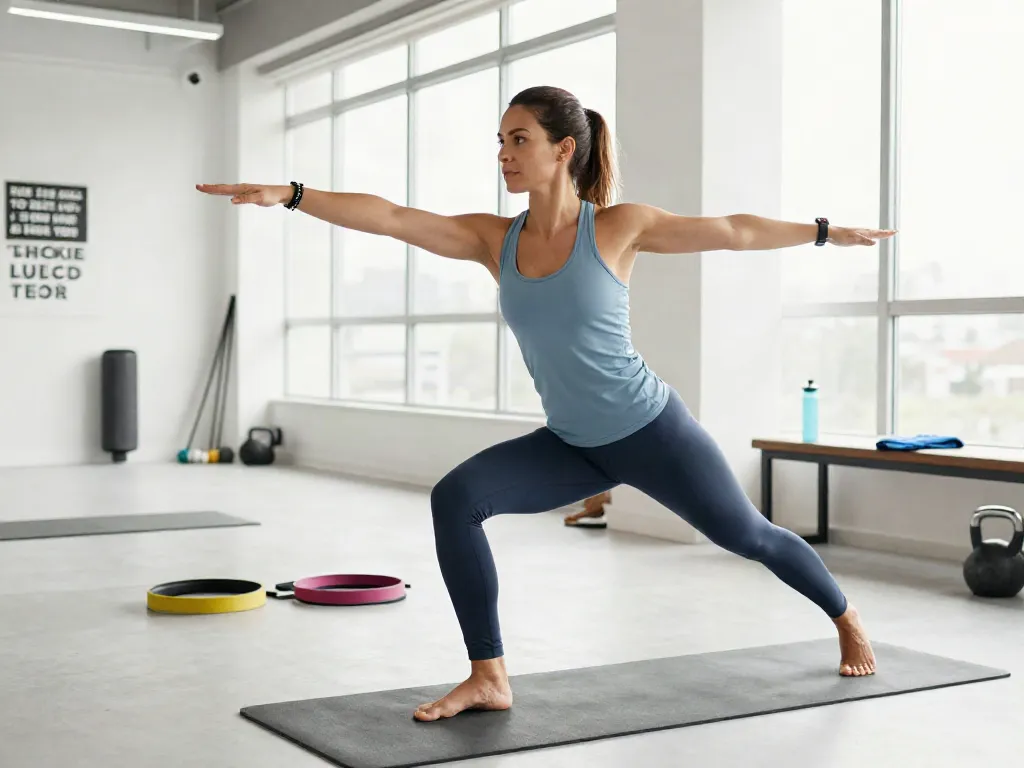
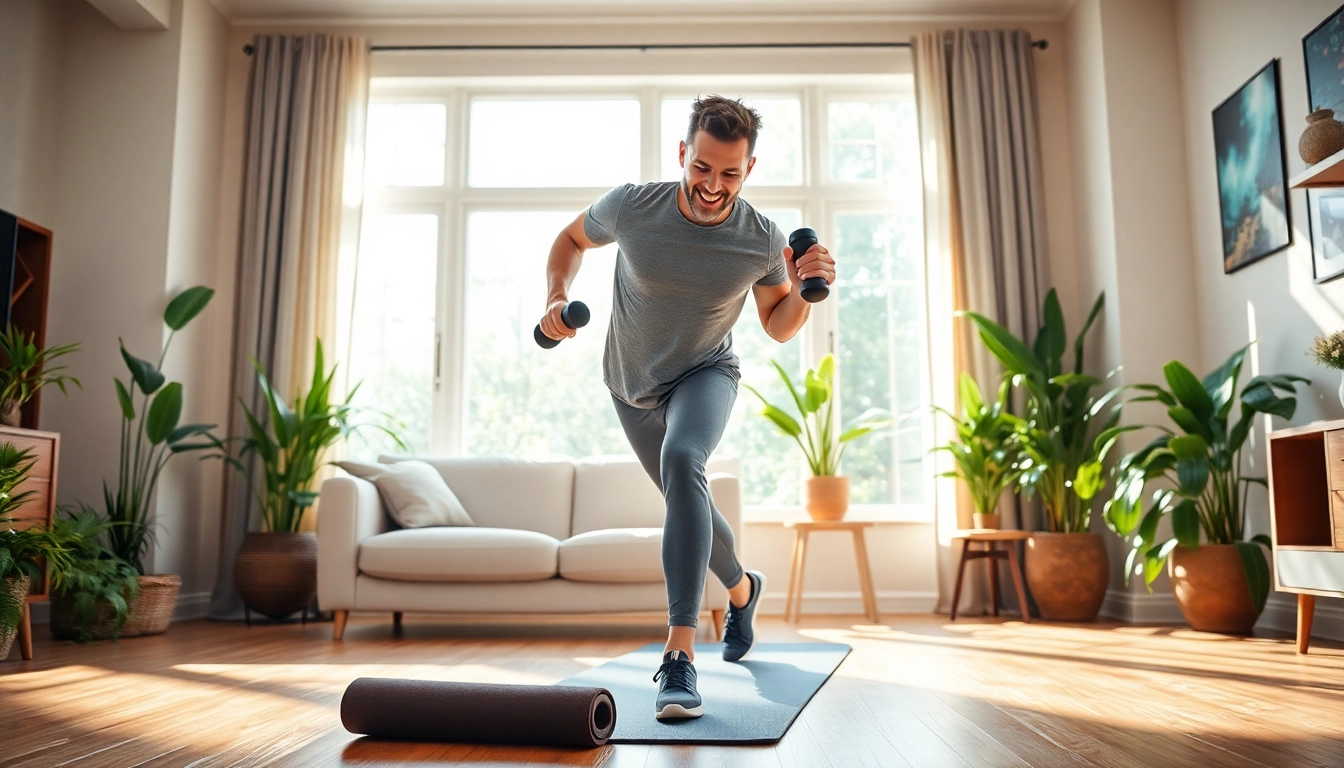
Home workout plans encompass structured exercise routines that individuals can follow within the comfort of their own homes. These plans cater to a wide range of fitness levels, providing flexibility in terms of intensity, duration, and types of exercises. While gym workouts may rely heavily on equipment and facilities, home workout plans often utilize bodyweight exercises, cardio, and occasionally minimal equipment like dumbbells or resistance bands. This independence from the gym environment allows for greater accessibility and convenience.
Moreover, the evolution of technology has enabled the proliferation of online resources, many of which can assist in creating personalized and effective workout strategies. Users can access apps, websites, and video tutorials that guide them through various training programs, effectively democratizing access to quality fitness guidance. To further explore methods and strategies related to fitness, check out Home Workout Plans.
Benefits of Exercising at Home
Exercising at home offers numerous benefits that can enhance the overall experience and effectiveness of a fitness regimen:
- Convenience: Scheduling workouts around personal obligations becomes easier when there’s no commute to a gym.
- Cost-Effective: Eliminating gym membership fees, travel costs, and purchasing specialty gear leads to significant savings.
- Comfort: Individuals can workout in an environment that feels safe and comfortable, reducing feelings of intimidation often felt in gyms.
- Customizable Routines: Tailoring workout plans to specific goals and preferences while incorporating various exercise styles is straightforward.
- Time Efficiency: The ability to engage in quick workouts without travel time encourages fitness commitments.
Essential Equipment for Home Workouts
A successful home workout routine may not require a gym’s array of machines, but having some basic equipment can enhance the training experience. Here are some essential items:
- Yoga Mat: Ideal for stretching, bodyweight exercises, and maintaining stability during workouts.
- Dumbbells: Versatile for resistance training, applicable for a range of exercises targeting different muscle groups.
- Resistance Bands: Portable and adaptable, perfect for strength training and rehabilitation exercises.
- Jump Rope: An excellent tool for incorporating cardio workouts into your routine.
- Stability Ball: Beneficial for core workouts and improving balance and stability.
Creating Your Own Home Workout Plans
Assessing Your Fitness Level
Before creating a home workout plan, assess your current fitness level to craft a routine that meets your abilities and avoids injury. Consider factors such as your exercise history, current strength, endurance, and mobility. A fitness assessment can involve simple tests, such as tracking how many push-ups you can do in one minute or timing how long it takes you to run a mile. This information helps in setting a fitting starting point.
Choosing the Right Exercises
The chosen exercises should reflect your fitness goals, whether that involves gaining strength, improving cardio stamina, or toning muscles. Mixing bodyweight exercises, such as squats and push-ups, with aerobic routines like jumping jacks or burpees can lead to a comprehensive workout plan. Additionally, design a balanced routine that incorporates:
- Strength Training: Focus on major muscle groups targeting arms, legs, chest, and back.
- Cardiovascular Workouts: Include activities that elevate your heart rate like jumping rope or high knees.
- Flexibility and Mobility Work: Don’t forget to incorporate stretching exercises to maintain flexibility and promote recovery.
Setting Realistic Goals
When establishing goals, ensure they are SMART: Specific, Measurable, Achievable, Relevant, and Time-bound. For example, instead of aiming to "get stronger," set a goal to "do ten push-ups in a row by the end of the month." This clarity allows for tracking progress and helps maintain motivation throughout your fitness journey. Regularly reassess and adjust goals as needed to align with improvements and changing aspirations.
Popular Home Workout Plans to Try
Bodyweight Exercises for Beginners
Bodyweight exercises are a fantastic and accessible way to start training. Here are a few beginner-friendly moves that require no equipment:
- Push-Ups: Great for upper body strength, targeting the chest, triceps, and shoulders.
- Squats: Excellent for lower body development, working the quads, hamstrings, and glutes.
- Planks: Perfect for strengthening core muscles and enhancing stability.
- Lunges: Effective for lower body engagement, increasing balance and core strength.
- Burpees: A full-body movement that combines strength and cardio, ideal for boosting endurance.
Advanced Strength Training Plans
Advanced users can create more challenging routines by integrating additional equipment or increasing exercise intensity. This can involve variations of bodyweight exercises or the use of weights. A sample advanced plan could include:
- Weighted Squats: Utilizing dumbbells to increase lower body strength.
- Pull-Ups: Using a pull-up bar to enhance upper body and core strength.
- Dumbbell Rows: Targeting back muscles and improving overall upper body strength.
Cardio Options Without Equipment
For those looking to incorporate cardiovascular training without equipment, consider the following exercises:
- Jumping Jacks: A full-body exercise that increases heart rate quickly.
- High Knees: Boosts heart rate while engaging core and lower body muscles.
- Mountain Climbers: Combining strength and cardio in a single movement.
- Tabata Training: A high-intensity interval training (HIIT) format that can be adapted to various exercises.
Staying Motivated with Home Workout Plans
Tracking Your Progress
Keeping a log of your workouts can significantly contribute to your motivation and accountability. Consider tracking:
- Weights used (if applicable)
- Reps and sets
- Duration of workouts
- Personal feelings about the workout
Regularly reviewing progress can provide a sense of achievement, helping you stay committed to your fitness journey.
Online Communities and Resources
Engaging in online communities dedicated to fitness can enhance motivation and provide support. Participate in forums, Facebook groups, or follow fitness-focused social media accounts to create a sense of belonging and access valuable resources, tips, and encouragement from others pursuing similar goals. Online platforms also offer a wealth of knowledge through articles, videos, and virtual classes that cater to varying fitness levels.
Creating a Schedule That Works
Establishing a workout schedule can foster consistency and success. Consider your personal commitments when creating this plan, aiming for a balanced routine that incorporates a mix of strength training, cardio, and flexibility exercises. A common cadence is three to five workout sessions per week, integrating rest days for recovery. Avoid being overly ambitious at the onset; gradual progression will lead to sustainable results.
FAQs About Home Workout Plans
How often should I follow a home workout plan?
Aim for 3-5 workouts per week, combining both cardio and strength training, and ensure adequate rest for recovery.
What if I don’t have any equipment?
You can still achieve a solid workout utilizing effective bodyweight exercises such as push-ups, squats, and planks.
Can I lose weight with home workout plans?
Yes, consistent workouts coupled with a balanced diet can effectively facilitate weight loss.
How long should my home workout sessions be?
Workout sessions can range from 20 to 60 minutes, depending on your fitness goals and current conditioning.
Do I need a personal trainer for home workouts?
While personal trainers can provide guidance, numerous resources and plans online can help you establish effective workouts independently.