Understanding Custom Stainless Steel Parts
In today's manufacturing landscape, custom stainless steel parts play a pivotal role across various sectors, including automotive, aerospace, and medical industries. These parts are specifically designed to meet the tailored specifications of different applications, providing both functionality and aesthetic appeal. As industries continue to evolve, the demand for custom stainless steel parts has grown, driven by the need for precision, durability, and versatility.
What Are Custom Stainless Steel Parts?
Custom stainless steel parts are components made from stainless steel, which are fabricated to meet specific design requirements for individual projects or products. These parts can range from simple brackets to complex assemblies used in machinery. The customization can involve various shapes, sizes, and finishes based on the application's needs. Common grades of stainless steel used in custom parts include 304 and 316, known for their excellent corrosion resistance and mechanical properties.
Key Benefits of Custom Stainless Steel Parts
- Durability: Stainless steel is highly resistant to rust, corrosion, and wear, making it suitable for both indoor and outdoor applications.
- Precision: Custom parts can be manufactured to exact specifications, ensuring a perfect fit and function.
- Design Flexibility: The ability to create parts in various shapes and sizes allows for innovative designs that meet unique requirements.
- Cost-Effectiveness: Tailoring parts to specific needs can reduce material waste and improve efficiency in production.
Common Applications in Various Industries
Custom stainless steel parts find applications in numerous industries. In the automotive sector, they are used for components like exhaust systems and structural supports. Aerospace relies on these parts for critical components that withstand extreme conditions. In medical equipment, custom stainless steel parts are crucial for devices that require high levels of sanitation and durability. Furthermore, food and beverage industries use stainless steel due to its hygienic properties and corrosion resistance.
Designing Custom Stainless Steel Parts
The design process for custom stainless steel parts is crucial in ensuring that the final product meets all specifications and performance standards. This stage involves collaboration between engineers, designers, and manufacturers to achieve the desired results.
Essential Design Considerations for Custom Parts
When designing custom stainless steel parts, several key factors must be considered:
- Material Selection: Choosing the right grade of stainless steel based on factors such as corrosion resistance and mechanical strength is vital.
- Dimensions and Tolerances: Accurate measurements and tolerances are crucial to ensure compatibility with existing systems.
- Manufacturing Processes: Understanding the manufacturing methods that will be used, such as CNC machining or laser cutting, can influence the design.
Tools and Software for Effective Design
Modern design has been revolutionized by advanced software tools. CAD (Computer-Aided Design) programs such as AutoCAD or SolidWorks allow engineers and designers to create precise models and simulations of custom stainless steel parts. These tools enable the visualization of designs before production, minimizing errors and optimizing performance.
Collaboration Between Engineers and Designers
Effective communication and collaboration between engineers and designers are essential throughout the design process. Regular reviews of designs and prototypes can help identify potential challenges early on and allow for adjustments, ensuring that the final product aligns with both the technical specifications and aesthetic requirements.
Manufacturing Processes for Custom Stainless Steel Parts
Once the design is finalized, the manufacturing process begins. Several techniques can be utilized to create custom stainless steel parts, each with its advantages and applications.
CNC Machining Techniques Explained
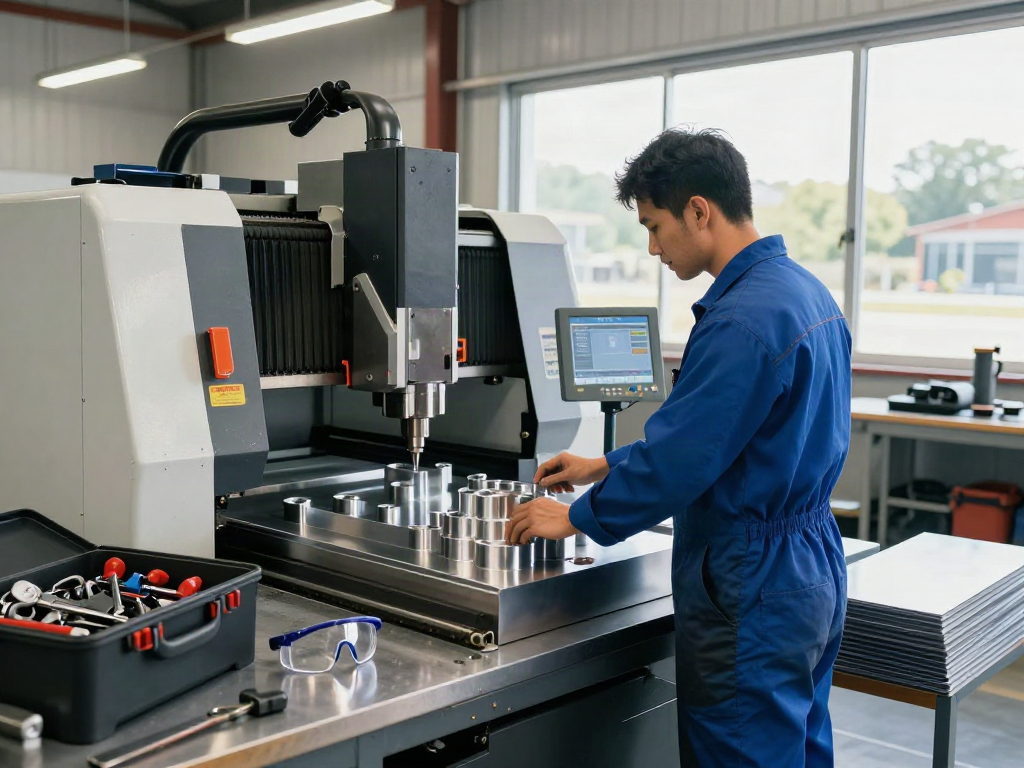
CNC (Computer Numerical Control) machining is one of the most common methods for producing custom stainless steel parts. This process involves automated machinery that precisely removes material from a solid block of stainless steel to create intricate shapes. CNC machining offers high precision and repeatability, making it ideal for producing complex designs.
Impact of Material Properties on Manufacturing
The properties of stainless steel, including its hardness and tensile strength, can significantly affect the choice of manufacturing process. For instance, harder grades of stainless steel may require specialized tools and techniques to prevent tool wear. Understanding these material characteristics is essential for optimizing the manufacturing process and ensuring high-quality parts.
Quality Control Measures During Production
Quality control is a fundamental aspect of manufacturing custom stainless steel parts. Techniques such as dimensional inspections, mechanical testing, and surface quality assessments are employed to ensure that parts meet specified tolerances and performance criteria. Implementing rigorous quality control measures helps reduce defects and ensures product reliability.
Challenges in Custom Stainless Steel Parts Production
While the production of custom stainless steel parts offers many advantages, it also presents several challenges that manufacturers must navigate effectively.
Addressing Common Manufacturing Challenges
Common challenges include material selection, cost management, and production timelines. Inaccurate specifications or design flaws can lead to increased waste and delays. Manufacturers must implement strategies to address these issues, such as continuous communication with clients and investment in training for production staff.
Cost Management Strategies for Custom Parts
Cost management is crucial for ensuring the profitability of custom stainless steel parts production. Strategies such as bulk purchasing of raw materials, optimizing production processes, and leveraging technology can help keep costs down. Additionally, offering transparent pricing structures can build trust with clients and encourage repeat business.
Mitigating Risks in Production Schedules
Production schedules can be affected by various factors, including supply chain disruptions and equipment malfunctions. Developing contingency plans and maintaining clear communication with suppliers can help mitigate these risks. Flexibility in scheduling and resource allocation is also vital in responding to unexpected challenges.
Future Trends in Custom Stainless Steel Parts
The future of custom stainless steel parts manufacturing looks promising, with several trends poised to shape the industry over the coming years.
Innovations Shaping the Future of Manufacturing
Innovations in technology, such as additive manufacturing (3D printing) and smart factory automation, are transforming how custom parts are produced. These advancements allow for more complex designs, reduced lead times, and improved efficiency in production.
Emerging Technologies and Their Implications
Emerging technologies like IoT (Internet of Things) and AI (Artificial Intelligence) are set to revolutionize the manufacturing process. By incorporating these technologies, manufacturers can achieve greater insights into production operations, improve quality control, and enhance supply chain management.
Predictions for the Custom Parts Market in 2026
As industries grow and technology advances, the market for custom stainless steel parts is expected to expand significantly by 2026. With increased emphasis on sustainability and efficiency, manufacturers who invest in eco-friendly practices and smart technologies will likely gain a competitive advantage.
What materials are best for custom stainless steel parts?
When selecting materials for custom stainless steel parts, considerations should include the environment in which the part will be used, the required strength, and resistance to corrosion and heat. Common grades include 304 and 316 stainless steel, each suitable for different applications based on their unique properties.
How can I reduce costs when sourcing custom stainless steel parts?
To minimize costs when sourcing custom stainless steel parts, consider partnering with reliable suppliers who offer competitive pricing, optimize your design to reduce material waste, and plan production schedules carefully to avoid rush fees.
What are the most common uses for custom stainless steel parts?
Custom stainless steel parts are widely used across various sectors including automotive, aerospace, medical equipment, and construction, for applications ranging from structural supports to critical components in machinery.
How do I ensure quality in custom stainless steel parts production?
Ensuring quality in production involves establishing rigorous quality control measures, utilizing precise manufacturing techniques, and maintaining open communication with all stakeholders throughout the production process.
What trends should I watch for in the custom parts industry?
Key trends to watch include the rise of additive manufacturing, advancements in automation, and the increasing importance of sustainable manufacturing practices as industries push for greener solutions.