Understanding Driveway Cleaning
What is Driveway Cleaning?
Driveway cleaning refers to the process of restoring and maintaining the cleanliness of your driveway through various methods, primarily using pressure washing or chemical cleaning solutions. This service aims not only to enhance the aesthetic appeal of your property but also to extend the lifespan of the driveway surface by removing harmful dirt, algae, oil stains, and other contaminants. Regular driveway cleaning can prevent long-term damage and deterioration.
Common Types of Driveway Materials
Driveways can be constructed from various materials, each requiring different cleaning approaches to ensure effective and safe maintenance. The most common materials include:
- Concrete: Durable and often found in residential and commercial properties, concrete driveways can accumulate stains and grime over time.
- Asphalt: With a flexible structure, asphalt driveways need careful cleaning to avoid damage, particularly from high-pressure techniques.
- Gravel: While easy to install, gravel driveways often require regular raking and occasional washing to maintain their appearance.
- Pavers: Aesthetic and versatile, paver driveways can be subjected to moss and weed growth, needing specific cleaning methods to prevent damage.
Benefits of Regular Driveway Cleaning
Regular driveway cleaning offers numerous benefits that go beyond just aesthetics:
- Enhances Curb Appeal: A clean driveway contributes to the overall look of your property, creating a positive first impression.
- Prevents Damage: Keeping your driveway clean can prevent stains from becoming permanent and protects it from harmful growth like mold and algae.
- Extends Lifespan: Regular maintenance increases the longevity of the driveway material by reducing wear and tear.
- Improves Safety: Cleaning can eliminate slippery substances, reducing trip hazards for residents and visitors alike.
Choosing the Right Cleaning Method
Pressure Washing vs. Chemical Cleaning
When it comes to driveway cleaning, two prominent methods dominate the scene: pressure washing and chemical cleaning. Understanding the differences between these two options is crucial for effective driveway maintenance.
Pressure Washing: This method utilizes high-pressure water jets to dislodge dirt, grime, and stains. It is particularly effective for concrete and asphalt surfaces. However, it requires careful handling, as excessive pressure can damage some materials.
Chemical Cleaning: This approach involves applying cleaning solutions designed to breakdown tough stains like oil, grease, and moss. It is often used in conjunction with pressure washing for optimal results, especially on sensitive materials like brick pavers or stamped concrete.
When to Use Each Method
The choice between pressure washing and chemical cleaning depends on the specific conditions of your driveway:
- Pressure Washing: Ideal for tough, durable materials like concrete and asphalt, or when stains are extensive and deep-set. This method is best used in good weather as it requires drying time after washing.
- Chemical Cleaning: Best suited for delicate materials, ingrained stains, or areas with organic growth. It's effective in cooler conditions, as chemical agents can work without high water pressure.
Equipment Needed for Effective Driveway Cleaning
Whether opting for a DIY approach or hiring professionals, having the right equipment is essential for effective driveway cleaning:
- Pressure Washer: A gasoline or electric model with adjustable pressure settings is ideal.
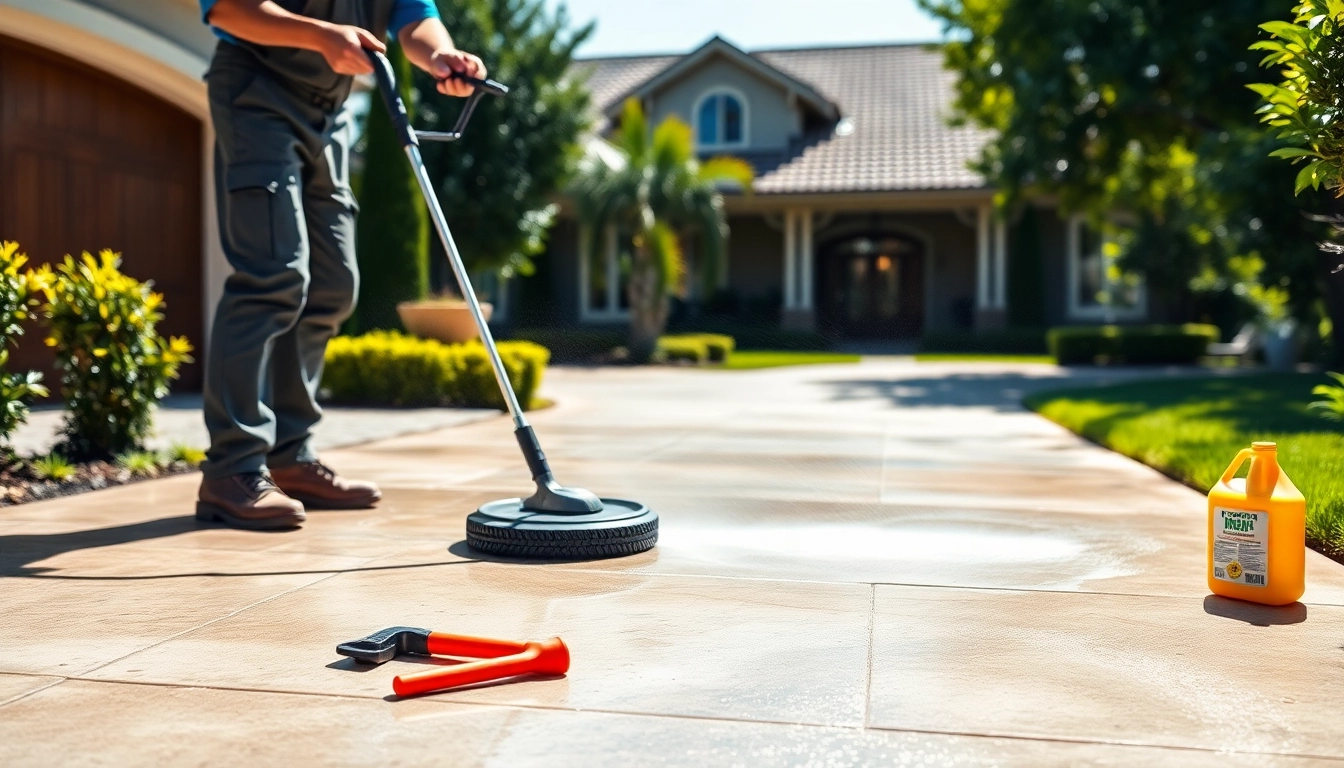
- Surface Cleaner Attachment: This tool helps to create an even clean without leaving stripes.
- Protective Gear: Safety goggles, gloves, and non-slip footwear ensure you stay protected during the cleaning process.
- Chemical Cleaners: Choose non-toxic and eco-friendly options when working with chemicals to minimize environmental impact.
DIY Driveway Cleaning Tips
Step-by-Step Guide to Pressure Washing
If you're planning to pressure wash your driveway yourself, follow these steps for an effective outcome:
- Prepare the Area: Remove any furniture, debris, or plants from the driveway.
- Inspect for Damage: Check for cracks or damages that may worsen during cleaning.
- Choose a Cleaning Solution: Select a suitable detergent to pre-treat stubborn stains according to manufacturer instructions.
- Pressure Wash: Start from the highest point to allow dirty water to flow down. Use steady, overlapping strokes to ensure a thorough clean.
- Rinse and Dry: Rinse with clean water, then allow the driveway to dry completely.
Essential Safety Precautions
Prioritizing safety during driveway cleaning is critical to avoid accidents or damage:
- Wear Protective Gear: Always wear safety goggles and gloves when handling chemical cleaners or operating pressure washers.
- Check Electrical Equipment: Ensure all electrical cords are dry and intact to prevent shocks.
- Stay Aware of Surroundings: Be mindful of kids, pets, and elderly individuals in the vicinity while working.
Best Practices for Maintaining Your Driveway
Maintaining your driveway requires proactive measures to ensure it remains in optimal condition:
- Regular Cleaning: Schedule routine cleanings every six to twelve months, depending on use and environmental conditions.
- Inspect for Damage: Address cracks and damage promptly to prevent further erosion and wear.
- Sealcoating (for Asphalt): Apply sealant every few years to protect against the elements and extend life.
Cost Factors for Driveway Cleaning
Understanding Pricing Models
The cost of driveway cleaning can vary widely based on several factors such as location, size, and condition:
- Size: Larger driveways will naturally cost more to clean.
- Condition: Heavily stained or damaged driveways require more time and effort to clean, increasing costs.
- Location: Regional pricing dynamics can affect total costs.
Estimating Costs Based on Material
Different driveway materials dictate distinct cleaning costs:
- Concrete: Typically ranges from $0.30 to $0.55 per square foot when professionally cleaned.
- Asphalt: Average cleaning costs can similarly fall within the $0.25 to $0.50 per square foot range.
- Pavers and Gravel: These may require specialty services, reflecting in higher overall costs.
Comparing Professional vs. DIY Costs
Deciding between DIY and professional cleaning requires weighing time, effort, and costs:
- DIY Costs: Initial equipment costs may range from $100 to $200 for a pressure washer rental, plus cleaning supplies.
- Professional Costs: Professionals typically charge between $200 and $500, depending on driveway size and condition.
- Value Consideration: While DIY can save money, professional services offer expertise, efficiency, and potentially longer-lasting results.
Frequently Asked Questions
What is the average cost of driveway cleaning?
The average cost for professional driveway cleaning ranges from $200 to $500, varying by size, material, and condition.
How often should a driveway be cleaned?
Typically, a driveway should be cleaned every 6 to 12 months to maintain appearance and prevent stains.
Can I clean my driveway in the winter?
Yes, but exercise caution as cold temperatures can affect cleaning effectiveness and safety.
What types of stains can be removed?
Common stains like oil, grease, dirt, moss, and mildew are typically removable with the right cleaning method.
Is professional driveway cleaning worth the investment?
Investing in professional driveway cleaning saves time, ensures quality, and often results in a longer-lasting clean compared to DIY efforts.