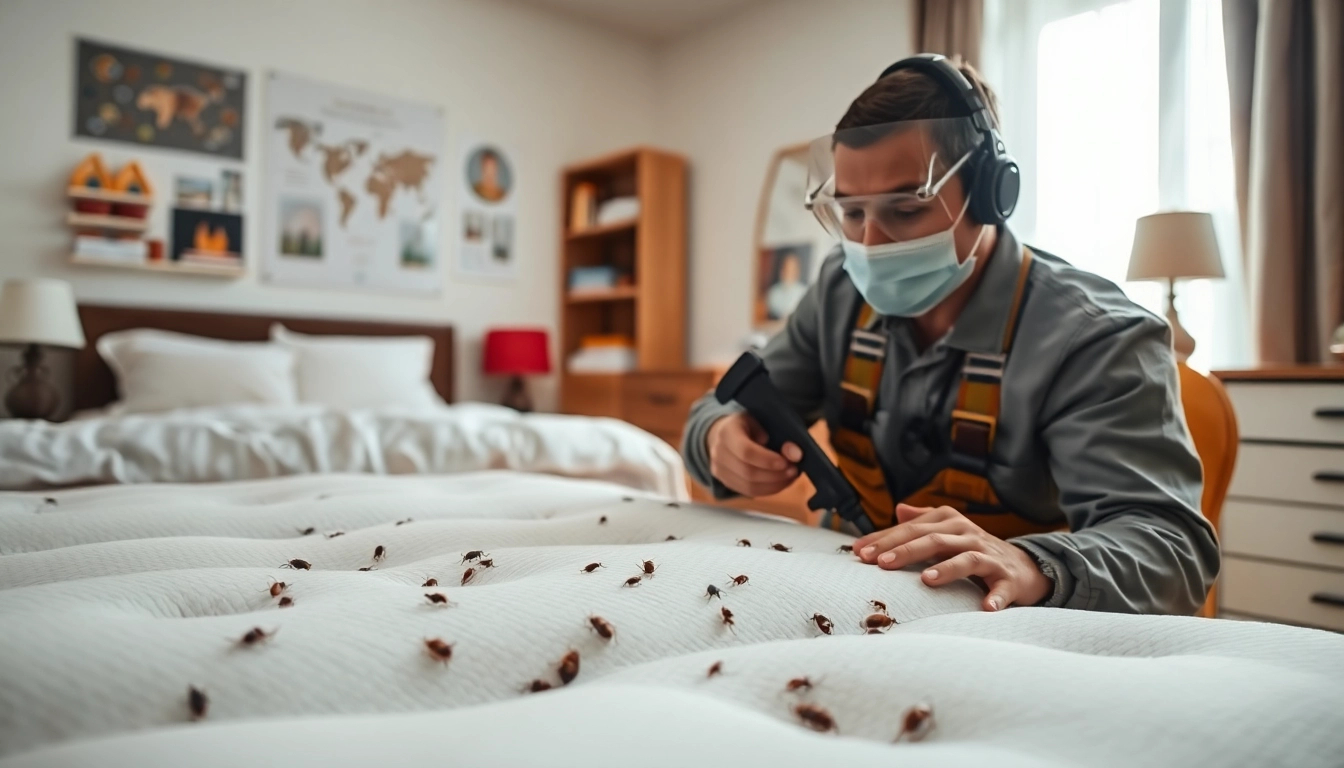
Understanding Bed Bugs: Identification and Behavior
What Are Bed Bugs?
Bed bugs are small, wingless insects belonging to the Cimicidae family, primarily preying on the blood of humans and animals. These nocturnal creatures typically measure between 1 to 7 mm in size, with a flat, oval-shaped body that allows them to hide in crevices. Bed bugs thrive in warm environments close to their hosts, making mattresses, bedding, and carpets ideal locations for infestation. Although they do not transmit diseases, their bites can lead to skin irritations and anxiety in affected individuals.
Signs of Bed Bug Infestation
Identifying a bed bug invasion early is crucial for effective bed bug control. Watch for the following signs:
- Bed bug bites: Typically appear as small, red welts, often in clusters or a line.
- Blood stains: Small, dark spots on bedding or walls can indicate bed bugs feeding.
- Fecal spots: Tiny, dark brown or black specks primarily found on mattresses or walls.
- Eggs and shells: Small, white eggs and shedding skins may be present in hidden areas.
- Strong odor: A musty scent may emanate from heavily infested areas.
Bed Bug Life Cycle and Habits
Understanding the life cycle of bed bugs is essential for effective control. Bed bugs undergo five nymph stages before reaching adulthood, with each stage requiring a blood meal to progress. Adult bed bugs can live several months without feeding, hiding in cracks and crevices during the day. They are primarily active at night, which aligns with their feeding habits on sleeping hosts. This nocturnal behavior contributes to the difficulty of detection in the early stages of an infestation.
Preparing for Bed Bug Control
Creating a Safe Environment
Before initiating a bed bug control process, it is vital to prepare your environment to maximize effectiveness. Start by removing unnecessary clutter, particularly in bedrooms, which can hide bed bugs and eggs. Clear away items from the floors and surfaces to create a clean space that allows for easy inspection and treatment. Seal any cracks and crevices in furniture and walls to reduce hiding spaces for these pests.
Essential Tools for Bed Bug Control
To successfully execute bed bug control, you will require specific tools and resources:
- Vacuum cleaner with a HEPA filter: Essential for removing bed bugs and eggs from surfaces.
- Sealing bags: For isolating infested items and preventing the spread of bed bugs.
- Bed bug mattress encasements: Protective covers to eliminate hiding places on mattresses and box springs.
- Inspections tools: A flashlight can help inspect dark areas where bed bugs may hide.
How to Isolate Infested Areas
Isolation is a key component in the fight against bed bugs. If an infestation is suspected, isolate the affected area by sealing off rooms and items. This can be accomplished through:
- Removing bedding and clothing and placing them in sealed bags.
- Using double-sided tape on bed frames and legs to capture wandering bugs.
- Restricting movement of infested furniture to prevent further spreading.
Effective Bed Bug Control Methods
Professional Extermination Techniques
Professional pest control services utilize advanced techniques and products that are not typically available to consumers. They may employ several strategies, including:
- Heat treatments: Raising temperatures in infested areas to kill all life stages of bed bugs.
- Pesticide applications: Targeted use of chemicals that are effective against bed bugs, typically requiring multiple treatments.
- Steam cleaning: High-temperature steam can eliminate bed bugs on contact while being safe for most surfaces.
Hiring a professional pest control service can expedite the process, especially for severe infestations.
DIY Bed Bug Control Solutions
There are numerous do-it-yourself methods for controlling bed bugs, though their effectiveness varies. Common solutions include:
- Vacuuming regularly: Reduces bed bug populations and prevents eggs from hatching.
- Washing textiles: High-temperature washing and drying can effectively kill bed bugs on clothing and bedding.
- Applying diatomaceous earth: A natural powder that disrupts the exoskeleton of bed bugs, leading to dehydration.
While DIY methods can be effective for minor infestations, they often require persistence and thoroughness to work correctly.
Natural Remedies for Bed Bug Control
Several natural remedies can help in the battle against bed bugs. These solutions are generally less harmful to humans and pets:
- Essential oils: Oils like lavender, peppermint, and tea tree are believed to repel bed bugs when diluted and sprayed.
- Alcohol solutions: Rubbing alcohol can kill bed bugs on contact but should be used with caution to avoid flammability issues.
- Cold treatments: Freezing infested items for several days can eliminate bed bugs and eggs.
Prevention Measures for Bed Bug Control
How to Prevent Future Infestations
Preventing future infestations is more manageable when proactive measures are taken. Employ these strategies:
- Regularly inspect and clean sleeping areas.
- Utilize protective coverings on mattresses and box springs.
- Maintain clutter-free rooms to minimize hiding spots.
Home Maintenance Tips for Bed Bug Avoidance
Routine home maintenance is vital in reducing the risk of bed bugs:
- Seal cracks in walls and furniture to eliminate potential nesting sites.
- Regularly wash bedding and linens in hot water to kill any hidden insects.
- Monitor second-hand furniture and clothing for signs of infestation before bringing items home.
Travel Tips to Avoid Bringing Bed Bugs Home
Travelers should be vigilant to avoid bringing bed bugs back home. Follow these guidelines:
- Check hotel beds and furniture for signs of bed bugs upon arrival.
- Keep luggage off the floor and on luggage racks when possible.
- Immediately wash clothing upon returning from a trip.
FAQs About Bed Bug Control
How long can bed bugs live without feeding?
Bed bugs can survive for several months without feeding, depending on environmental conditions, making detection and treatment crucial.
Are bed bug bites harmful to health?
While bed bug bites are generally not harmful, they can lead to skin irritations, allergic reactions, and psychological distress from anxiety.
Should I treat my entire home for bed bugs?
If bed bugs are found in one area, it is advisable to treat the entire home to prevent spread and ensure comprehensive elimination.
Can bed bugs survive in cold temperatures?
Bed bugs can survive in cold temperatures but will typically become inactive. Extreme cold for a prolonged time can kill them.
What is the cost of professional bed bug control?
The cost of professional bed bug control varies by location and severity of infestation but typically ranges from $200 to $1,500.