Understanding the Essence of Breton Culture
Brittany, a unique region in northwest France, is renowned for its vibrant culture, rich history, and distinctive traditions. At the heart of Breton culture lies a tapestry woven from Celtic influences, historical events, and the resilient spirit of its people. As we delve into the essence of this cultural treasure, we uncover the elements that define it, the historical context that shaped it, and the traditions that continue to thrive today. Furthermore, as you explore options, เกมสล็อต provides comprehensive insights into local events, festivals, and more, showcasing the vibrant community spirit that underpins Breton culture.
What Defines Breton Culture?
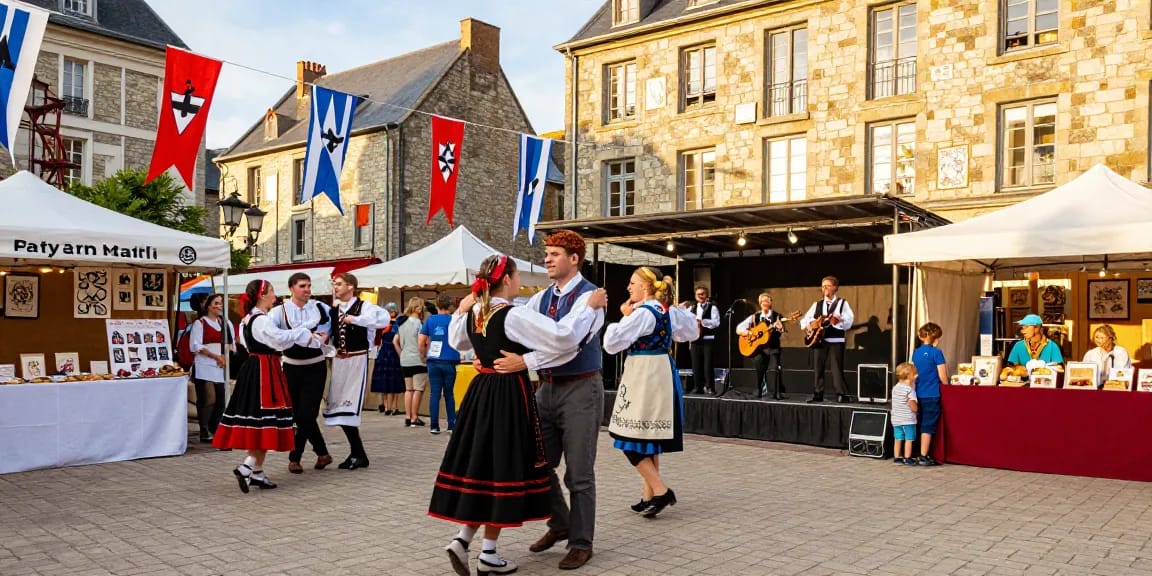
Breton culture is characterized by its distinct language, music, dance, and art forms. The Breton language, a Celtic tongue, is a vital part of the identity and is actively promoted through various cultural initiatives. Music and dance play a central role, with traditional instruments like the bombarde and bagpipes accompanying lively folk dances. Festivals and gatherings serve as a platform for expressing these cultural practices, fostering a sense of community and continuity.
Historical Context and Evolution
The evolution of Breton culture can be traced back to its Celtic roots, with influences from both ancient traditions and external forces, such as the Norman Conquest and the French Revolution. Over the centuries, Brittany has maintained a degree of autonomy, allowing it to preserve its cultural uniqueness. The revival of interest in Breton culture, particularly in the 20th century, has led to a resurgence in traditional practices, language, and arts.
Key Elements of Breton Traditions
- Language: The Breton language is a cornerstone of cultural identity.
- Music: Traditional Breton music features distinctive rhythms and instruments.
- Dances: Fest-noz, or night festivals, showcase traditional dances.
- Crafts: Handicrafts, including weaving and pottery, reflect local artistry.
- Festivals: Events like the Festival Interceltique de Lorient celebrate Celtic heritage.
Exploring Major Festivals in Rennes
Rennes, the capital of Brittany, serves as a cultural hub that celebrates the region's heritage through a vibrant array of festivals. These events not only highlight the artistic expressions of local communities but also provide opportunities for visitors to immerse themselves in Breton traditions. From music festivals to art exhibitions, the festivities throughout the year elevate the cultural landscape of the city.
A Deep Dive into Mercredis du Thabor
The Mercredis du Thabor presents an excellent opportunity for locals and visitors alike to experience Breton culture in a convivial setting. Organized every Wednesday in July at the Parc du Thabor, these evenings feature traditional music, dance, and various cultural activities. The combination of outdoor ambiance and vibrant performances creates a unique platform for showcasing local talent and community spirit.
Significance of Yaouank Festival
The Yaouank Festival is another hallmark of Rennes's cultural calendar, dedicated to promoting young Breton artists. This festival emphasizes innovation while respecting traditional practices, making it a vital event for both emerging and established artists. Attending Yaouank not only supports local talent but also enriches the understanding of how traditional and contemporary elements can coexist and inspire one another.
Other Notable Cultural Events
In addition to the Mercredis du Thabor and Yaouank, numerous other cultural events throughout the year contribute to the rich tapestry of Breton culture. From regional food fairs to art exhibitions, each event offers insights into different facets of Breton life. Engaging with these events empowers individuals to appreciate the cultural nuances that define the region.
Engaging with Local Artisans and Artists
Supporting local artisans and artists is crucial for preserving Breton culture. The region is home to an array of talented craftspeople who specialize in traditional and contemporary arts. Engaging with these artisans not only sustains the local economy but also keeps the cultural heritage alive for future generations. By appreciating their crafts, one supports the continuity of tradition while fostering innovation.
Spotlight on Prominent Breton Artisans
Prominent Breton artisans are often showcased during festivals and local markets. From jewelers and potters to textile artists, each craft reflects the identity and heritage of Brittany. Visiting ateliers or local exhibitions provides an opportunity to purchase unique hand-crafted items while directly contributing to the livelihoods of these creative individuals.
How to Support Local Artists Through Festivals
Festivals provide an ideal platform for supporting local artists. Attending these events allows individuals to appreciate their work firsthand while buying art directly from the creator. Many festivals also include workshops and demonstrations, which encourage participation and foster a deeper appreciation of the craftsmanship involved.
Understanding the Role of Art in Breton Culture
Art is integral to Breton culture, encapsulating history, tradition, and contemporary expressions. Whether through visual arts, music, or performance, artistic endeavors reflect the unique identity of the region. Understanding and supporting these art forms is essential for maintaining the richness of Breton culture and ensuring its evolution in a modern context.
Food and Drink: A Taste of Brittany
No exploration of Breton culture would be complete without delving into its culinary delights. The food and drink of Brittany are both a reflection of its agricultural heritage and a celebration of its coastal geography. Iconic dishes and beverages play a crucial role in cultural events and festivals, ensuring the continuation of these culinary traditions.
Iconic Dishes to Try at Festivals
From savory galettes to sweet crêpes, the culinary offerings at Breton festivals highlight the region's rich agricultural and maritime products. Each dish tells a story, often tied to local ingredients and traditional recipes passed down through generations. Festivals present the perfect opportunity to sample these iconic dishes, making food an essential aspect of the cultural experience.
The Story Behind Breton Cider and Beer
Breton cider and beer are steeped in tradition, with recipes and brewing techniques handed down through families over centuries. The region’s unique climate and soil contribute to the distinctive flavors found in its beverages. Enjoying a glass of local cider or beer during festivals not only enhances the experience but also supports traditional brewing practices.
Experience Traditional Cooking Demonstrations
Cooking demonstrations at festivals provide insight into the preparation of traditional Breton dishes. Visitors have the chance to learn about the techniques and ingredients that define Breton cuisine. These interactive experiences foster appreciation for the culinary art while encouraging visitors to try their hand at preparing these dishes at home.
Future Trends in Breton Cultural Events
The landscape of Breton cultural events is constantly evolving, driven by changing societal trends and technological advancements. Understanding these trends is vital for ensuring that Breton culture remains relevant and accessible to both locals and visitors alike.
Adapting Traditions for Modern Audiences
As societal values shift, traditional practices may need adaptation to resonate with newer generations. Festivals are increasingly incorporating modern elements, such as digital media and contemporary art forms, to engage with a broader audience while maintaining the essence of tradition.
Technological Innovations Enhancing Festival Experiences
Technology plays a significant role in enhancing the festival experience. From social media promotion to virtual reality exhibitions, innovations provide new avenues for reaching audiences. Festivals are utilizing these technologies to create immersive experiences, allowing participants to engage with Breton culture in novel ways.
The Role of International Collaboration in Cultural Exchange
In an increasingly globalized world, international collaboration has become vital for cultural exchange. Partnerships with artists and organizations from other countries can enrich Breton culture, introducing fresh perspectives while fostering a sense of community and shared heritage.
What are the best times to visit Breton festivals?
The best times to experience Breton festivals are typically during the summer months, particularly July and August, when events like Mercredis du Thabor and the Yaouank Festival take place. These months provide a lively atmosphere, appealing to both locals and tourists.
How can I participate in local cultural events?
Participation in local cultural events is encouraged, whether through attending festivals, volunteering, or taking part in workshops. Engaging with the community fosters a deeper connection to the culture and enhances the cultural experience.
What are the unique features of Breton cuisine?
Breton cuisine is distinguished by its use of fresh, local ingredients and time-honored recipes. Signature dishes such as galettes, crêpes, and seafood offer a taste of the region's agricultural and coastal bounty.
How do festivals promote local artists?
Festivals play a crucial role in promoting local artists by providing platforms for exposure, networking, and sales. Through performances, exhibitions, and workshops, artists can showcase their talents to broad audiences.
What is the impact of technology on cultural traditions?
Technology impacts cultural traditions by facilitating greater access to information, enhancing the experience at festivals, and enabling new forms of artistic expression while preserving traditional practices.